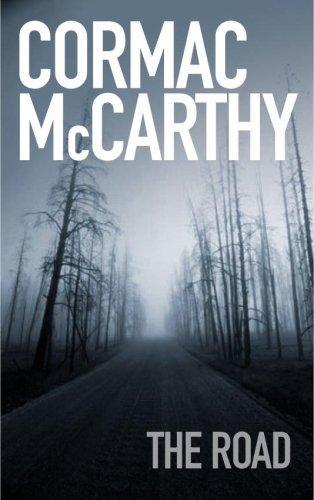
Sinopse
A décima novela de Cormac McCarthy, The Road, é sua obra mais angustiante e, ao mesmo tempo, profundamente pessoal. Uma catástrofe não nomeada devastou o mundo, transformando-o em uma cinza queimada, habitada pelos últimos remanescentes da humanidade e por alguns poucos cães e fungos sobreviventes. O céu está perpetuamente encoberto por poeira e partículas tóxicas; as estações são meramente variações de frio e umidade. Bandos de canibais vagam pelas estradas e habitam as poucas moradias que permanecem intactas nas florestas. Através desse resíduo de pesadelo da América, um pai desgastado e seu jovem filho tentam fugir do inverno apalache que se aproxima e seguir em direção à costa sul por estradas secundárias cuidadosamente escolhidas. Cadáveres mumificados são seus únicos companheiros benignos, sentados em portas e automóveis, variados em impalamentos ou expostos em estacas e mesas e sob sinos de bolo, ou surgem em poses congeladas de horror e agonia, emergindo do asfalto coagulado. O menino e seu pai esperam evitar os saqueadores, alcançar um clima mais ameno e talvez localizar alguns remanescentes de civilização ainda dignos desse nome. Eles possuem apenas o que conseguem encontrar para comer, e os trapos que vestem e o calor de seus próprios corpos são todo o abrigo que têm. Uma pistola com apenas algumas balas é sua única defesa além da fuga. À frente deles, o pai empurra um carrinho de compras cheio de cobertores, latas de comida e alguns outros bens, como frascos de óleo de lamparina ou gasolina siphonada dos tanques de veículos abandonados—o carrinho é equipado com um espelho de bicicleta para que não sejam surpreendidos por trás. Através de encontros com outros sobreviventes, brutais, desesperados ou patéticos, o pai e o filho são tanto endurecidos quanto sustentados por sua vontade, sua astúcia de sobrevivência conquistada com dificuldade e, acima de tudo, por seu amor um pelo outro. Eles lutam sobre montanhas, navegam por estradas e florestas perigosas reduzidas a cinzas e carvão, suportam um frio cortante e chuvas congelantes. Passando por cidades fantasmas carbonizadas e saqueando mercados abandonados em busca de provisões escassas, a dupla batalha contra a adversidade.
Ver sinopse original (inglês)
Cormac McCarthy's tenth novel, The Road, is his most harrowing yet deeply personal work. Some unnamed catastrophe has scourged the world to a burnt-out cinder, inhabited by the last remnants of mankind and a very few surviving dogs and fungi. The sky is perpetually shrouded by dust and toxic particulates; the seasons are merely varied intensities of cold and dampness. Bands of cannibals roam the roads and inhabit what few dwellings remain intact in the woods. Through this nightmarish residue of America a haggard father and his young son attempt to flee the oncoming Appalachian winter and head towards the southern coast along carefully chosen back roads. Mummified corpses are their only benign companions, sitting in doorways and automobiles, variously impaled or displayed on pikes and tables and in cake bells, or they rise in frozen poses of horror and agony out of congealed asphalt. The boy and his father hope to avoid the marauders, reach a milder climate, and perhaps locate some remnants of civilization still worthy of that name. They possess only what they can scavenge to eat, and the rags they wear and the heat of their own bodies are all the shelter they have. A pistol with only a few bullets is their only defense besides flight. Before them the father pushes a shopping cart filled with blankets, cans of food and a few other assets, like jars of lamp oil or gasoline siphoned from the tanks of abandoned vehicles—the cart is equipped with a bicycle mirror so that they will not be surprised from behind. Through encounters with other survivors brutal, desperate or pathetic, the father and son are both hardened and sustained by their will, their hard-won survivalist savvy, and most of all by their love for each other. They struggle over mountains, navigate perilous roads and forests reduced to ash and cinders, endure killing cold and freezing rainfall. Passing through charred ghost towns and ransacking abandoned markets for meager provisions, the pair battle t