Sinopse
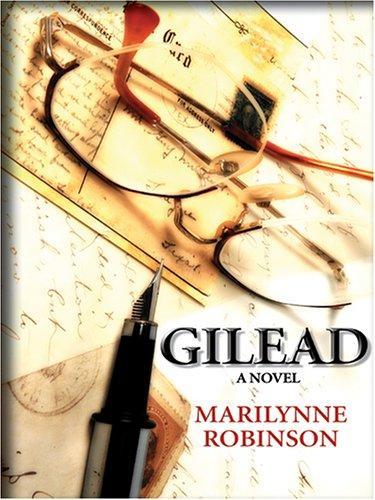
VENCEDOR DO PRÊMIO PULITZER DE FICÇÃO DE 2005 Em 1956, perto do final da vida do Reverendo John Ames, ele começa uma carta para seu jovem filho, um relato sobre si mesmo e seus antepassados. Ames é filho de um pregador de Iowa e neto de um ministro que, quando jovem no Maine, teve uma visão de Cristo acorrentado e veio para o Kansas lutar pela abolição: Ele "pregou homens para a Guerra Civil", e então, aos cinquenta anos, tornou-se capelão no Exército da União, perdendo seu olho direito em batalha. O Reverendo Ames escreve para seu filho sobre a tensão entre seu pai—um ardente pacifista—e seu avô, cuja pistola e camisas ensanguentadas, escondidas em um cobertor de exército, podem ser relíquias da luta entre os abolicionistas e aqueles colonos que queriam que o Kansas entrasse na união como um estado escravocrata. E ele conta uma história sobre os laços sagrados entre pais e filhos, que são testados em seu relacionamento terno e tenso com seu homônimo, John Ames Boughton, o filho rebelde de seu melhor amigo. Gilead é o tão aguardado segundo romance de um de nossos melhores escritores, um hino de louvor e lamento à existência assombrada por Deus que o Reverendo Ames ama apaixonadamente, e da qual em breve se separará.
Ver sinopse original (inglês)
WINNER OF THE 2005 PULITZER PRIZE FOR FICTION In 1956, toward the end of Reverend John Ames’s life, he begins a letter to his young son, an account of himself and his forebears. Ames is the son of an Iowan preacher and the grandson of a minister who, as a young man in Maine, saw a vision of Christ bound in chains and came west to Kansas to fight for abolition: He “preached men into the Civil War,” then, at age fifty, became a chaplain in the Union Army, losing his right eye in battle. Reverend Ames writes to his son about the tension between his father—an ardent pacifist—and his grandfather, whose pistol and bloody shirts, concealed in an army blanket, may be relics from the fight between the abolitionists and those settlers who wanted to vote Kansas into the union as a slave state. And he tells a story of the sacred bonds between fathers and sons, which are tested in his tender and strained relationship with his namesake, John Ames Boughton, his best friend’s wayward son. Gilead is the long-hoped-for second novel by one of our finest writers, a hymn of praise and lamentation to the God-haunted existence that Reverend Ames loves passionately, and from which he will soon part.