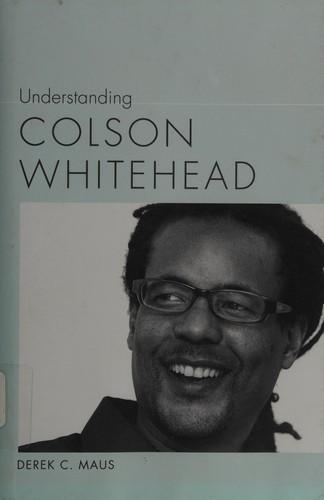
Understanding Colson Whitehead
de Derek C. Maus
2014·172 páginas
Crítica
sem notas
13 prêmios
3 indicações
Sinopse
Visão geral: Embora o destinatário do MacArthur Fellowship de 2002, Colson Whitehead, resista ardentemente a categorizações abrangentes de seu trabalho, Derek C. Maus argumenta neste volume que os primeiros seis livros de Whitehead estão ligados por um cuidadoso equilíbrio entre a adesão e a violação da sabedoria das gerações passadas. Whitehead convida os leitores a acompanhá-lo em excursões literárias desafiadoras, muitas vezes abertas, projetadas para reexaminar noções aceitas de verdade. Understanding Colson Whitehead desvenda as estruturas paralelas encontradas na ficção de Whitehead, desde seu romance de 1999, The Intuitionist, até Zone One, de 2011. Em sua escolha de formas literárias, Whitehead tenta revitalizar as fórmulas limitantes às quais foram reduzidas, primeiro imitando e depois violando as convenções desses gêneros e subgêneros. Whitehead também testa o assunto, novamente imitando e depois satirizando várias formas de sabedoria convencional como um meio de chamar a atenção para aspectos não examinados, ignorados e/ou malévolos da cultura americana. Embora seja apenas um dos muitos temas que Whitehead aborda, a raça frequentemente ocupa um lugar central em suas obras e, como tal, serve como o principal exemplo de como Whitehead pede aos seus leitores que revisitem suas suposições sobre significados e valores. Ao embaralhar as fórmulas literárias do romance policial, do conto folclórico heroico, da história de amadurecimento e do apocalipse zumbi, Whitehead revela as falhas e limitações de muitas das histórias duradouras através das quais os americanos se definiram. Algumas das histórias em que Whitehead se concentra são explicitamente literárias por natureza, mas ele frequentemente direciona sua atenção para os processos históricos e culturais que influenciam como raça, classe, gênero, educação, status social e outras categorias de identidade determinam o que um indivíduo supostamente pode e não pode fazer.
Ver sinopse original (inglês)
Overview: Although 2002 MacArthur Fellowship recipient Colson Whitehead ardently resists overarching categorizations of his work, Derek C. Maus argues in this volume that Whitehead's first six books are linked by a careful balance between adherence to and violation of the wisdom of past generations. Whitehead bids readers to come along with him on challenging, often open-ended literary excursions designed to reexamine accepted notions of truth. Understanding Colson Whitehead unravels the parallel structures found within Whitehead's fiction from his 1999 novel The Intuitionist through 2011's Zone One. In his choice of literary forms, Whitehead attempts to revitalize the limiting formulas to which they have been reduced by first imitating and then violating the conventions of those genres and sub-genres. Whitehead similarly tests subject matter, again imitating and then satirizing various forms of conventional wisdom as a means of calling out unexamined, ignored, and/or malevolent aspects of American culture. Although only one of many subjects that Whitehead addresses, race often takes a place of centrality in his works and, as such, serves as the prime example of how Whitehead asks his readers to revisit their assumptions about meanings and values. By jumbling the literary formulas of the detective novel, the heroic folktale, the coming-of-age story, and the zombie apocalypse, Whitehead reveals the flaws and shortcomings of many of the long-lasting stories through which Americans have defined themselves. Some of the stories Whitehead focuses on are explicitly literary in nature, but he more frequently directs his attention toward the historical and cultural processes that influence how race, class, gender, education, social status, and other categories of identity determine what an individual supposedly can and cannot do.